Bhutan Travel Blog
Night Hunting: The Fading Whisper of Bhutan's Boemena Tradition
An old courtship tradition from the villages of eastern Bhutan
In eastern Bhutan, an age-old courtship tradition still lingers in stories—part memory, part folklore. Known as Boemena, often translated as “going towards a girl” or popularly described as “night hunting,” the practice was once associated with courtship and romance in some rural communities. Today, it is a fading tradition, remembered with a mixture of nostalgia, curiosity, and debate.
What Was Boemena?
For generations, young men in some eastern Bhutanese villages would travel under the cover of darkness to visit the homes of unmarried women. They navigated narrow trails, crossed valleys, and sometimes tried to avoid the watchful eyes of parents and other villagers.
Some traveled alone, while others moved together before separating as they approached their destinations. The custom varied from community to community, but the underlying idea was courtship—an opportunity for young people to meet, talk, and potentially develop a relationship.
In a world without dating apps, smartphones, or even reliable electricity in many rural areas, the night offered a private space for young people to meet beyond the formal boundaries of village life.
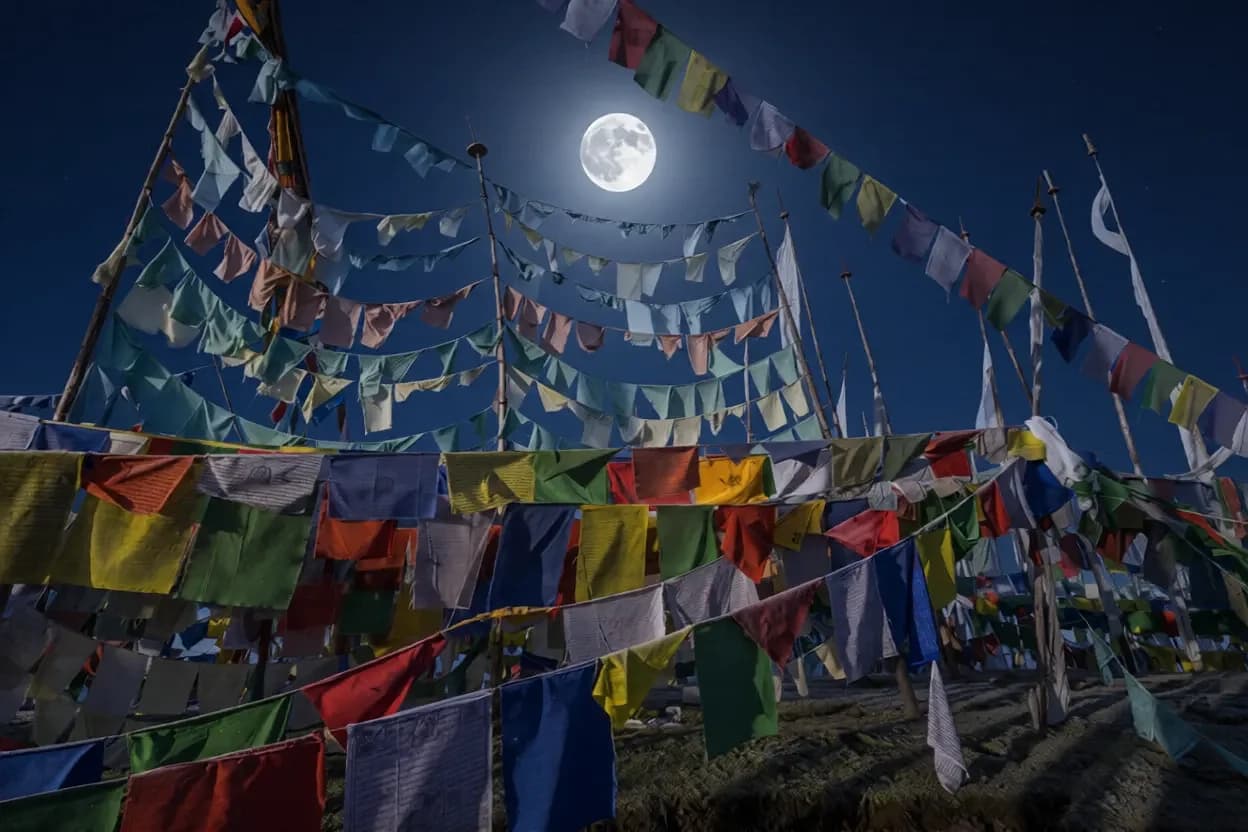
A whispered conversation at a doorway or a secret meeting beneath the moonlight could become the beginning of a relationship, eventually leading to marriage—or simply becoming a story remembered years later.
More Than a Secret Romance
Boemena was not simply about young men sneaking through the night. In communities where traditional social structures shaped relationships, it could also provide young women with an opportunity to decide whether they wished to engage with a particular suitor.
The practice, however, should not be romanticized without acknowledging that experiences could differ. What may have been remembered by some as playful courtship could, in other circumstances, involve unwanted attention or pressure.
This complexity is part of what makes Boemena an intriguing and sometimes controversial chapter in the social history of eastern Bhutan.
Why Is Boemena Fading?
Like many traditional customs, Boemena has been affected by profound changes in Bhutanese society.
The expansion of education, urbanization, modern communication, and changing social expectations has transformed how young people meet and form relationships. Villages that once provided close-knit communities are increasingly connected to towns and cities, while smartphones and social media have created entirely new ways of communicating.
The old nighttime journey across valleys has gradually been replaced by messages, phone calls, and social media conversations.
For younger generations, romance no longer requires navigating mountain trails under cover of darkness. A smartphone can bridge distances that once took hours to cross on foot.
A Tradition Caught Between Memory and Change
The changing perception of Boemena also reflects a broader transformation in Bhutanese society.
Some older generations remember the tradition with humor and nostalgia, recalling youthful adventures, long journeys, and the excitement of meeting someone secretly. For them, Boemena represents a different era—one when village life moved at a slower pace and relationships were shaped by close community ties.
Others view the practice more critically, particularly where traditional expectations could create pressure or unwanted encounters. As ideas about individual choice, consent, education, and relationships have evolved, customs that were once socially accepted may be understood differently today.
This contrast between memory and modern values is an important part of Boemena's story.
From Moonlit Trails to Smartphone Screens
The youth of eastern Bhutan today inhabit a very different world.
Connections are increasingly made through smartphones and social media rather than secret journeys across valleys. A message or a heart emoji can begin a conversation that once might have required a long nighttime walk.
For some, something has been lost in this transition—the adventure, mystery, and personal connection associated with meeting face to face. For others, modern communication represents greater freedom, convenience, and personal choice.
Neither view tells the whole story. Boemena's decline is part of a much larger transformation in how Bhutanese communities live, communicate, and form relationships.
A Tradition That Lives in Stories
Boemena may no longer be practiced in the way it once was, but it has not completely disappeared.
It survives in stories told by older generations, in memories of moonlit journeys, and in conversations about how dramatically village life has changed. Ask an older man from eastern Bhutan about his nights of “hunting,” and his face may light up with memories of youth. Ask someone from a younger generation, and the response may be very different.
That contrast is perhaps the most revealing part of Boemena's story.
It is not simply a tradition that disappeared. It is a window into a changing Bhutan—a reminder of how courtship, community, and relationships once unfolded, and how quickly they can change with modern life.
Boemena is not entirely gone. It lives on in fragments: a whispered anecdote, a story shared around a fire, a memory of youth, or a glimpse into a Bhutan that is slowly becoming part of the past.
Keep Reading