Bhutan Travel Blog
Five Must-Do Experiences in Bhutan
For travelers seeking authenticity, culture, nature, and a touch of adventure, Bhutan offers experiences that connect you with the heart and soul of the kingdom. From hiking to a sacred Himalayan monastery to sharing a meal with a local family, here are five must-do experiences in Bhutan.
1. Hike to Taktsang Monastery – The Tiger's Nest
Perched dramatically on a cliffside above the Paro Valley, Taktsang Monastery, better known as Tiger's Nest, is Bhutan's most iconic landmark. According to legend, Guru Rinpoche, the spiritual master credited with introducing Buddhism to Bhutan, arrived at the site on the back of a tigress in the 8th century to meditate.
Today, the monastery remains one of Bhutan's most sacred pilgrimage sites. The hike takes several hours and winds through pine forests, prayer flags, and mountain viewpoints. Along the way, the sound of bells, fluttering flags, and the scent of incense add to the atmosphere.
Reaching the monastery is both a physical and spiritual experience, and the spectacular views over the Paro Valley make the journey even more rewarding.
2. Eat Ema Datshi – Bhutan's Beloved Chili and Cheese Dish
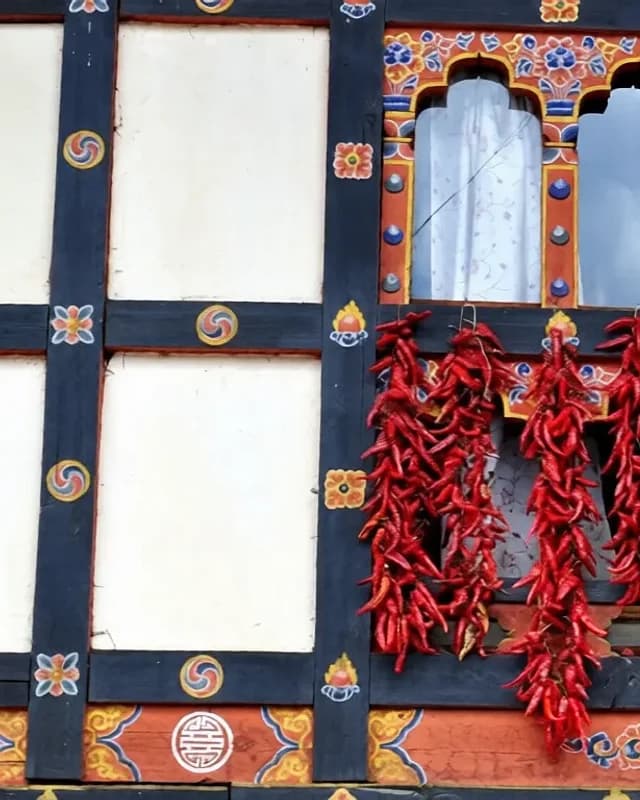
If Bhutan had a national culinary obsession, it would be chilies. Ema Datshi, a dish made with chilies and cheese, is one of the most beloved foods in Bhutanese cuisine.
Served hot with rice, it is a staple of everyday meals and an essential part of experiencing Bhutanese food culture. There are also many variations, including shamu datshi with mushrooms and kewa datshi with potatoes.
Whether enjoyed in a traditional farmhouse, a local restaurant, or a family kitchen, trying ema datshi offers visitors a delicious introduction to the bold flavors of Bhutanese cuisine.
3. Try Your Hand at Archery – Bhutan's National Sport
Archery is more than a national sport in Bhutan—it is an important part of the country's social and cultural life.
At traditional archery grounds, you may hear teams cheering, singing, dancing, and playfully teasing one another as they compete. Traditional bamboo bows are still widely used alongside modern compound bows.
Visitors may have opportunities to try archery themselves, depending on the location and occasion. Even when you are not competing, watching a local archery match offers a fascinating glimpse into Bhutanese community life, sportsmanship, and tradition.
4. Stay in a Local Homestay
To truly understand Bhutan, one of the best ways is to experience it through the lives of local people.
A rural homestay offers more than accommodation. It gives travelers an opportunity to share meals with a Bhutanese family, learn about traditional lifestyles, try local dishes, prepare butter tea, or simply spend an evening talking with their hosts.
Whether staying in a traditional farmhouse in Haa Valley, a village home in Bumthang, or another rural community, the experience can provide a deeper connection with Bhutan beyond the usual sightseeing.
Homestays also help support local families and communities while allowing visitors to experience Bhutan's slower and more personal way of life.
5. Attend a Tshechu – Bhutan's Colorful Religious Festival
If your visit coincides with a tshechu, don't miss the opportunity to attend one.
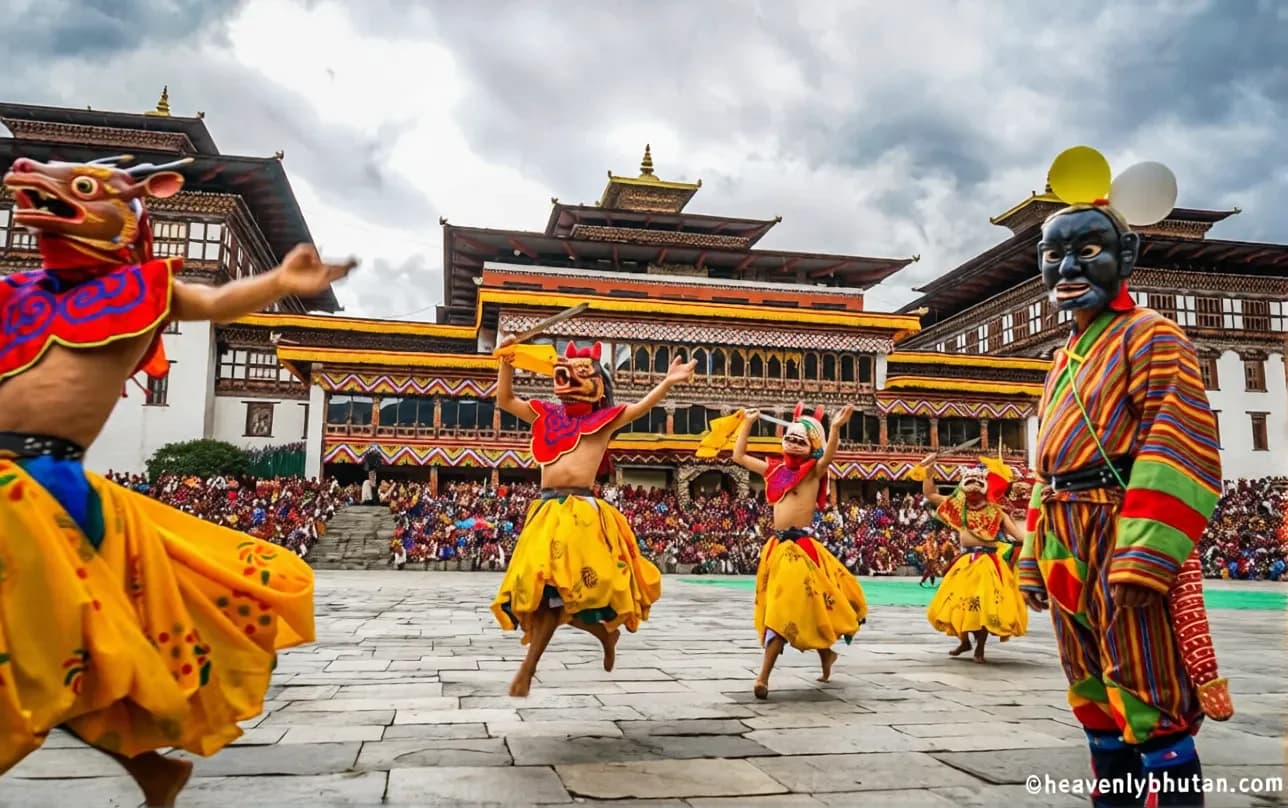
Held in different districts throughout Bhutan, these annual religious festivals feature sacred masked dances, traditional music, rituals, and vibrant celebrations. The Paro Tshechu and Thimphu Tshechu are among the best known, but smaller festivals across the country can offer an equally memorable experience.
For Bhutanese communities, a tshechu is far more than a cultural performance. It is a time of prayer, devotion, community gathering, and spiritual reflection.
For visitors, it is an opportunity to witness Bhutanese traditions being practiced as a living part of everyday culture, often against the magnificent backdrop of ancient dzongs and Himalayan valleys.
Experience the Best of Bhutan
From walking the ancient trail to Tiger's Nest and tasting fiery ema datshi to joining an archery match, staying with a local family, or witnessing a sacred tshechu, these experiences reveal different sides of Bhutan.
They are not simply things to see or photograph. They are opportunities to connect with Bhutanese culture, people, traditions, and landscapes—and to take home memories that go far beyond the usual sightseeing experience.
Keep Reading