Bhutan Travel Blog
Merak: The Hidden Land of Myths, Yaks, and Yetis
Where Brokpa culture, Himalayan wilderness, and ancient legends meet
The highland village of Merak, tucked into the mountains of Trashigang District in eastern Bhutan, is a mystical place suspended between myth and reality.
At around 3,500 meters, this remote settlement is more than a destination; it is a portal into a vanishing world. Known in local folklore as the “Land of the Yeti,” Merak remained closed to outsiders until 2012, preserving its traditions behind rugged, fortress-like mountains. Today, it offers adventurous travelers something increasingly rare: the chance to experience a living culture surrounded by extraordinary Himalayan wilderness.
The Land of the Yeti
Ask a Brokpa elder about the Migoi, the elusive Yeti of Himalayan folklore, and you may hear stories passed down through generations—tales of enormous footprints in the snow, shadowy figures glimpsed among the pines, and a mysterious creature believed to inhabit the remote mountains.
In Merak, these stories are more than campfire tales. They form part of the rich folklore and oral traditions of a community whose life has long been shaped by the surrounding mountains.
Whether the Migoi exists remains a mystery, but its legend continues to add to Merak's sense of wonder.
The Brokpa: Highlanders of Merak
The Brokpa people, traditionally semi-nomadic herders, have made these highlands their home for generations. Their language, rituals, clothing, and pastoral traditions all reflect a culture shaped by isolation, harsh mountain conditions, and a close relationship with nature.
Their resilience is beautifully reflected in their traditional clothing.
Women wear the shingkha, a distinctive dress traditionally made using materials such as yak hair and sheep wool, while men wear the chupa, a traditional Bhutanese robe suited to the cold Himalayan climate.
Perhaps the most striking piece of Brokpa attire is the tshitpi zham, a distinctive disc-shaped hat with long, radiating projections. Designed to help protect against rain and snow, it has become one of the most recognizable symbols of Brokpa identity.
Every garment tells a story of adaptation and survival—a reminder of how a community has learned to thrive in one of Bhutan's most demanding environments.
When Merak Comes Alive
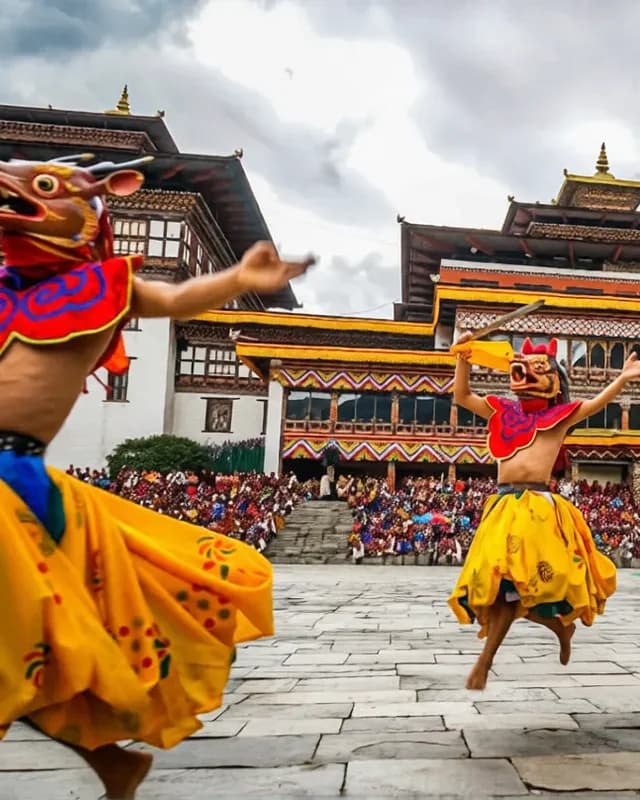
For a few days each year, Merak shakes off its solitude during its annual Tshechu. Highland communities gather from surrounding pastures, often bringing their yaks, and the village comes alive with color, music, dance, and celebration.
One of the most distinctive performances associated with the region is Ache Lhamo, a sacred dance-drama performed in Merak and neighboring Sakteng. Masked performers portray spiritual characters in a traditional form of storytelling that has been preserved through generations.
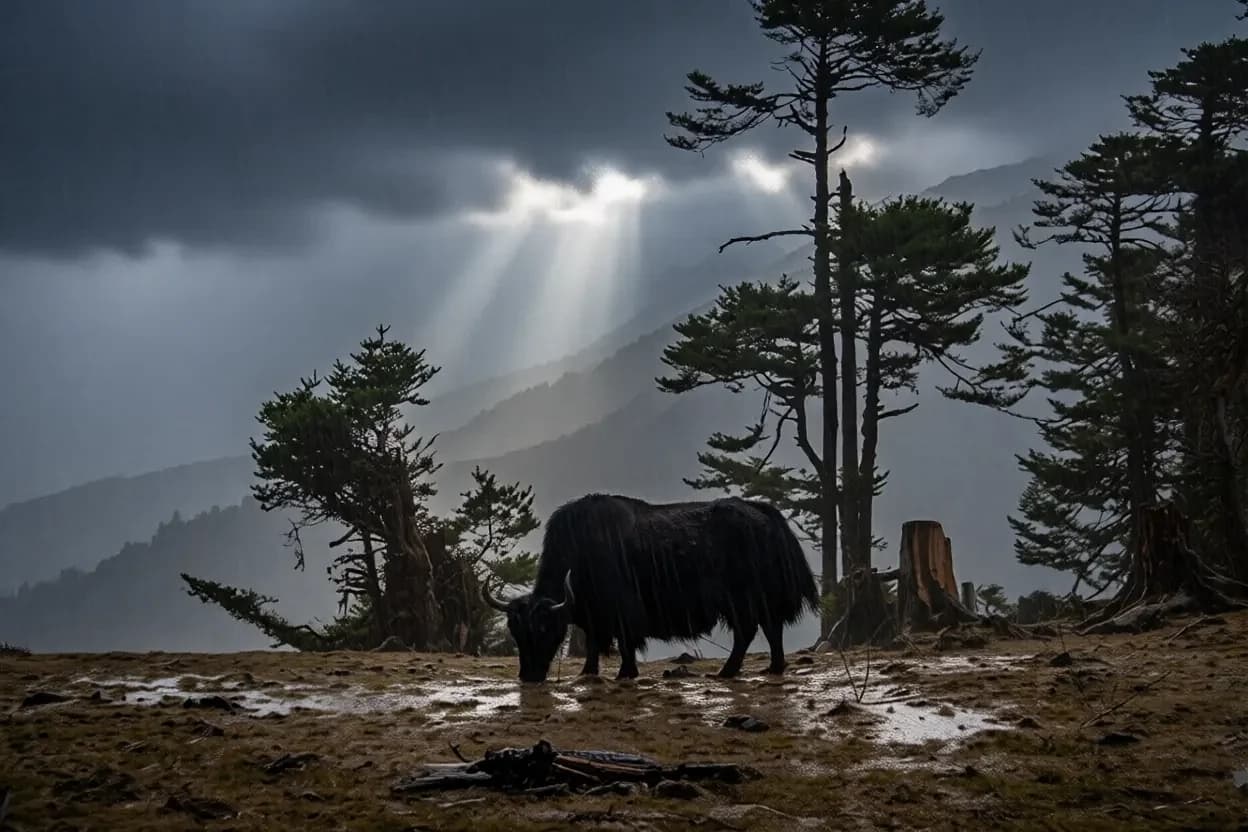
Another unique performance is the Yak Chaam, in which dancers imitate the movements of yaks—the animals that have long played an essential role in the lives and livelihoods of highland communities.
The festival is more than entertainment. It is a celebration of community, faith, heritage, and identity—a brief moment when the highlanders come together to share traditions that have endured through generations.
Journey to the Hidden Land
To reach Merak is to embark on an adventure.
The journey can be made by trekking from Phongmey or by vehicle along rugged mountain roads. Either way, travelers are rewarded with spectacular views of remote valleys, highland pastures, and vast Himalayan skies.
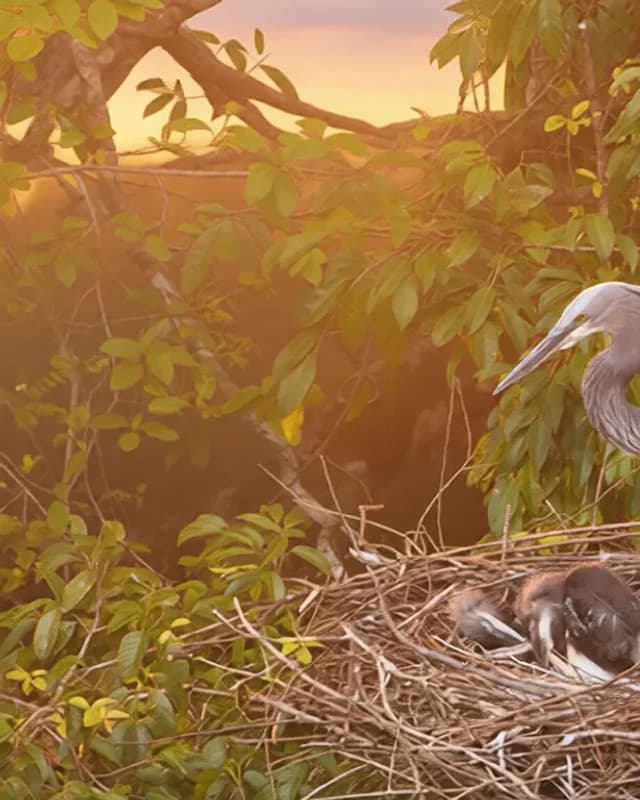
Merak's location near Sakteng Wildlife Sanctuary adds another dimension to the experience. The sanctuary is known for its rich biodiversity, and lucky visitors may encounter wildlife such as red pandas and Himalayan birds while exploring the surrounding wilderness.
At night, local homestays offer a warm and authentic experience. Travelers can enjoy suja (butter tea), share stories with their hosts, and experience the quiet rhythm of highland life around a traditional stove.
A Place Where Myth and Reality Meet
Merak lingers in the imagination long after you leave.
It is a place where modernity has not erased tradition, where the legend of the Migoi continues to live in mountain stories, and where the Brokpa people maintain a distinctive way of life shaped by generations of living in the highlands.
To visit Merak is not simply to see another remote destination in Bhutan. It is to step into a living story—one where ancient legends, highland culture, yaks, sacred dances, and Himalayan wilderness come together.
And perhaps that is what makes Merak so unforgettable: the feeling that some places are not meant to be fully explained, but simply experienced.
Plan Your Visit
- Best Time: April–June and September–November offer generally favorable conditions for exploring the region. October can be an especially interesting time for travelers wishing to experience local festivals, subject to the annual festival calendar.
- How to Go: Bhutan Holiday Trips can arrange guided journeys, trekking experiences, transportation, and cultural homestays in the Merak region.
- What to Bring: Pack warm layers, sturdy walking shoes, rain protection, sunscreen, and other essentials suitable for rugged high-altitude conditions.
Keep Reading