Bhutan Travel Blog
Gangkhar Puensum: The Highest Unclimbed Mountain in the World
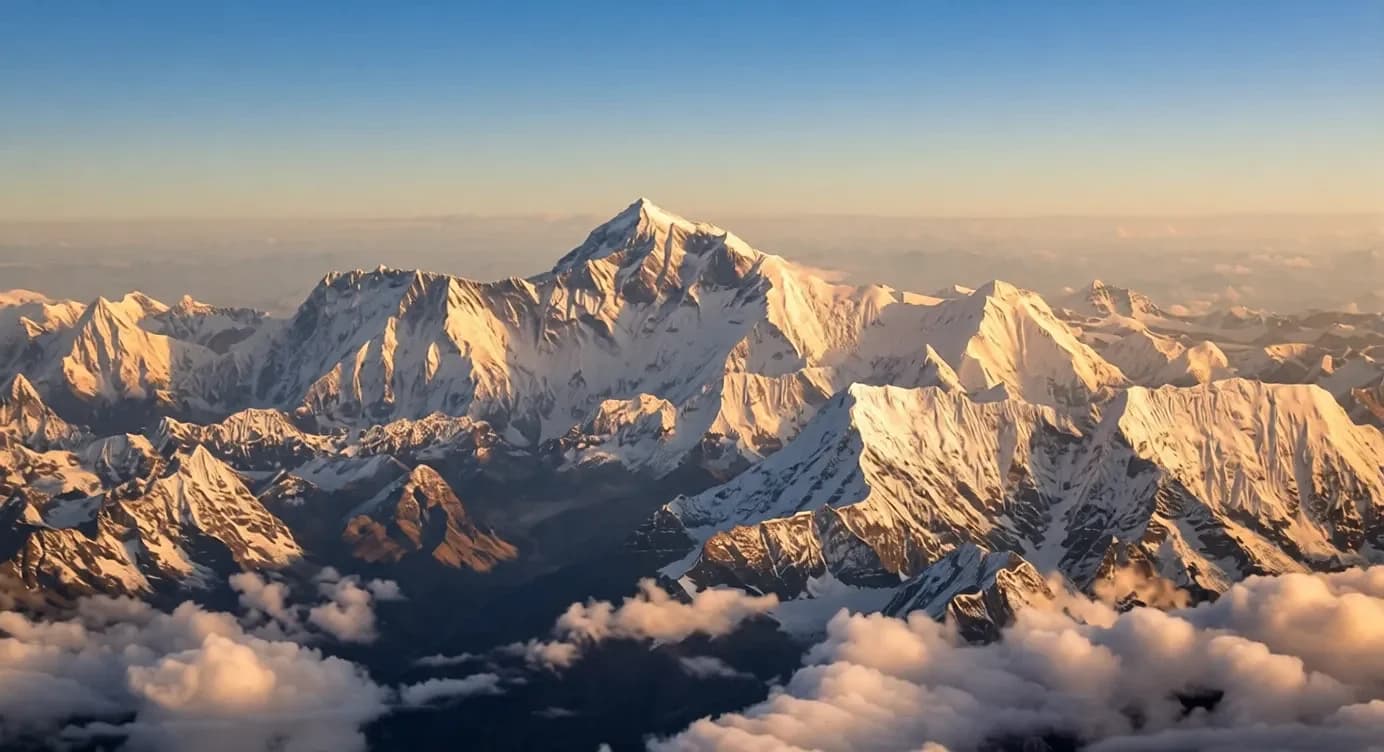
In an age where almost every corner of the globe seems mapped, tagged, and Instagrammed, one peak remains defiantly untouched: Gangkhar Puensum, the world's highest unclimbed mountain. Rising to 7,570 meters along Bhutan's border with Tibet, this magnificent peak—whose name means the “White Peak of the Three Spiritual Brothers”—is both a geographical wonder and a powerful symbol of Bhutan's deep reverence for its sacred mountains.
To the Bhutanese, Gangkhar Puensum is more than rock, snow, and ice. It is regarded as the realm of deities, the whispered home of the Migoi (Yeti), and a place where the spiritual and natural worlds intertwine. Villagers in Laya and Lunana speak of strange lights appearing across its slopes and eerie echoes carried through the thin mountain air—phenomena sometimes regarded as signs of the mountain's sacred and protected nature.
Where Is Gangkhar Puensum?
Gangkhar Puensum lies in the remote Himalayan region of northern Bhutan, along the Bhutan–Tibet border. At 7,570 meters, it is Bhutan's highest mountain and is widely recognized as the highest unclimbed mountain in the world.
Its isolated location, extreme altitude, glaciers, and rugged terrain make it one of the most inaccessible mountains in the Himalayas. The surrounding landscape is characterized by high-altitude valleys, snow-covered passes, glaciers, and remote communities where traditional ways of life remain closely connected to nature.
The Attempts to Climb Gangkhar Puensum
When Bhutan briefly opened its mountains to mountaineering in the 1980s, several expeditions attempted to reach the summit of Gangkhar Puensum, but none succeeded.
In 1986, a British expedition led by Steve Berry was forced to retreat as difficult conditions and early winter weather made the climb increasingly dangerous. Other expeditions also faced extreme weather, technical challenges, and the mountain's difficult terrain.
The combination of extreme altitude, unpredictable Himalayan weather, remote terrain, and technical climbing challenges made Gangkhar Puensum an exceptionally difficult objective.
Why Has Gangkhar Puensum Never Been Climbed?
Gangkhar Puensum's unclimbed status is not simply the result of difficult mountaineering. Bhutan's spiritual beliefs and national policies have played an equally important role.
In 1994, Bhutan prohibited climbing mountains above 6,000 meters, reflecting respect for the spiritual significance of the high mountains. In 2003, mountaineering was banned altogether in Bhutan.
Many Bhutanese communities regard high mountains as sacred places and the abodes of protective deities and spirits. For this reason, climbing these peaks is seen not simply as a sporting challenge but as an intrusion into places of deep spiritual significance.
As a result, Gangkhar Puensum remains protected by both nature and Bhutanese tradition. Unless Bhutan's mountaineering policy changes, its summit is likely to remain untouched.
A Mountain Protected by Bhutan's Philosophy
In a world where the slopes of Everest have become increasingly crowded, with discarded equipment and busy base camps, Gangkhar Puensum remains a rare bastion of wilderness and solitude.
Bhutan's restrictions protect more than a mountain; they reflect a philosophy that some places are meant to be revered rather than conquered. The country's approach to environmental and cultural preservation has helped keep many of its high-altitude landscapes remarkably pristine.
Ironically, Gangkhar Puensum's unclimbed status may have helped preserve its extraordinary natural beauty. Its glaciers remain largely untouched, its remote slopes retain their wild character, and its silence continues to define the landscape.
Can You Experience Gangkhar Puensum?
Although travelers cannot climb Gangkhar Puensum, adventurous travelers can explore Bhutan through its spectacular trekking routes.
The Lunana Snowman Trek, one of Bhutan's most challenging and remote trekking adventures, takes travelers through high mountain passes, remote settlements, alpine landscapes, and dramatic Himalayan scenery.
For those seeking an even closer approach to Gangkhar Puensum, Bhutan also offers remote trekking routes through the country's high-altitude mountain regions. These journeys are not about conquering a summit. Instead, they offer an opportunity to experience Bhutan's wilderness, culture, and spiritual relationship with its mountains.
A Himalayan Legend That Remains Untouched
Gangkhar Puensum's status as the world's highest unclimbed mountain is a reminder that not every frontier needs to be conquered.
In Bhutan, the value of a mountain is not measured by whether someone has reached its summit, but also by the stories, beliefs, landscapes, and wildlife it continues to protect.
For now, Gangkhar Puensum remains a powerful Himalayan legend—a magnificent silhouette against the sky, surrounded by stories of gods, spirits, and Migoi. Its untouched summit stands as a symbol of Bhutan's unique relationship with nature:
Sometimes the greatest way to experience a mountain is simply to respect it.
Did You Know?
- Bhutan's restrictions on high-altitude mountaineering reflect the country's commitment to protecting its natural environment and cultural heritage.
- At 7,570 meters, Gangkhar Puensum is recognized by Guinness World Records as the highest mountain yet to be climbed.
- The remote and relatively untouched environment surrounding the mountain is valuable for biodiversity and conservation.
- The Lunana Snowman Trek offers adventurous travelers an opportunity to explore the remote Himalayan landscapes of northern Bhutan.
Keep Reading